

Small Animal Seminar: Ophthalmology
In-person and Virtual registration options
CE = 6 hours
The MTG Space, Greater Lansing Association of REALTORS
4039 Legacy Parkway200
Lansing, MI 48911-4336
United States
* Registration open until 3/17/27 at 7:10 AM (EDT)
Join us in-person or virtually for the fourth seminar of the 2026-2027 Small Animal Series on Weds. March 17, 2026!
Join us for a day of expert instruction, interactive learning, and practical ophthalmology education that will help you see your next eye case more clearly.
This practical, case-based seminar will focus on the ophthalmic conditions encountered most frequently in clinical practice, including red eye, corneal ulcers, glaucoma, uveitis, keratoconjunctivitis sicca (KCS), lens disorders, and ocular trauma. Learn how to perform an efficient eye examination, interpret diagnostic findings, determine when referral is warranted, and implement evidence-based treatment plans that improve patient outcomes.
Whether you practice in general medicine, urgent care, or emergency medicine, you'll leave with practical diagnostic algorithms, treatment tips, and clinical pearls that can be applied immediately in your practice. Connect with colleagues, earn continuing education, and gain the knowledge you need to approach ophthalmic cases with greater confidence.
MEET JENNIFER ZIMMER, DVM, DACVO
Ophthalmology, Animal Eye Solutions
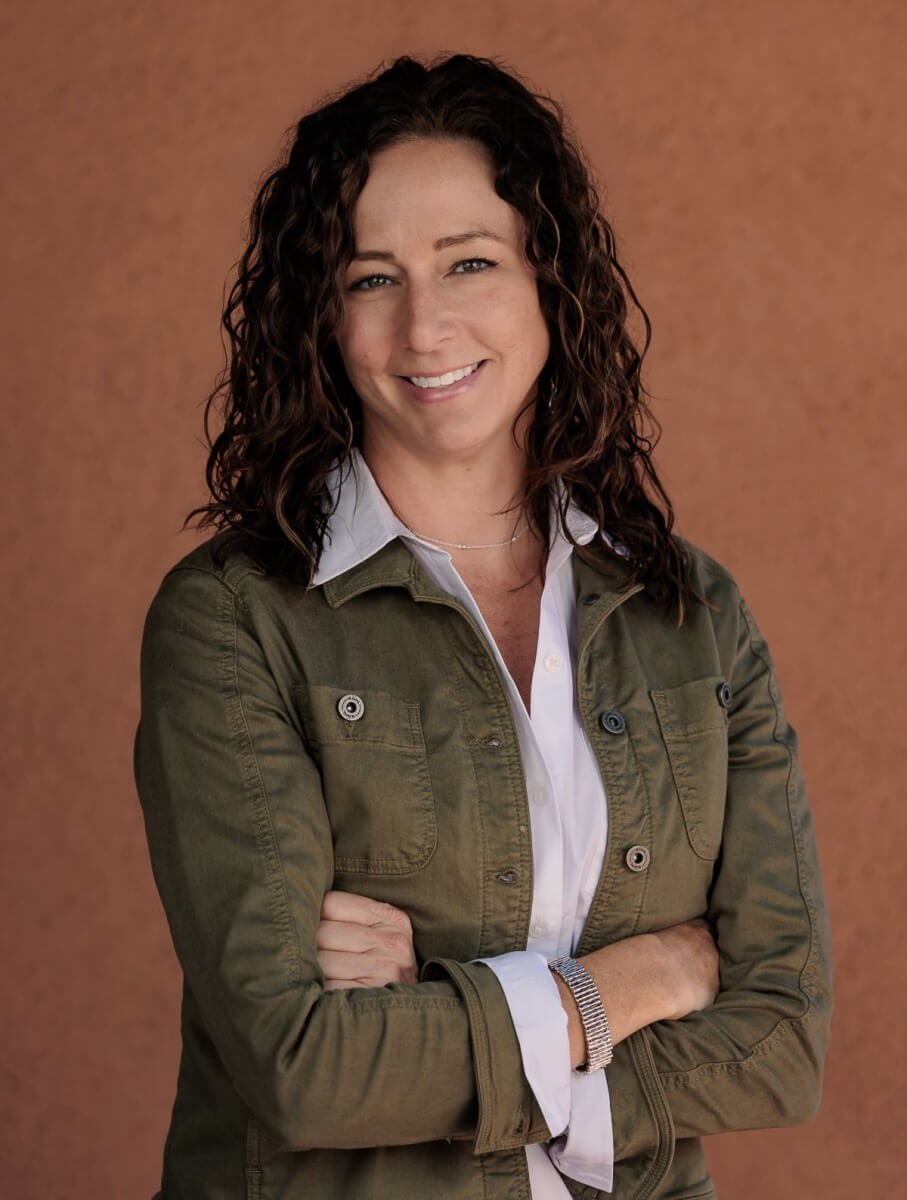
She grew up in Armada, Michigan, where she learned to ride horses through 4-H. Throughout her life, she continued her passion for riding, whether on her friends’ horses, taking lessons, or at the farms where she worked. Although never showing horses, as a child, she raised and showed dairy goats and guinea pigs. She went on to earn an associate degree in Veterinary Technology from Macomb Community College and spent seven years as a Licensed Veterinary Technician in a veterinary practice limited to animal eye care. She earned a bachelor’s degree in Animal Science at Michigan State University and went on to earn her DVM from Ross University School of Veterinary Medicine. After a year of clinical training at Purdue University, she completed a rotating internship at VCA Veterinary Care and Emergency in Albuquerque, NM, followed by a three-year residency in Comparative Ophthalmology at the University of Georgia. She is now board-certified by the American Board of Veterinary Ophthalmology.
She then returned to Michigan where she managed the ophthalmology department at a busy small-animal specialty and referral hospital in Metro Detroit for 5 years before venturing out on her own to start Animal Eye Solutions. Her work now includes mobile ophthalmology for small and large animals which allows her to be back in the barn treating horses while visiting small animal practices to offer specialty ophthalmology care.
She is currently a member of the American College of Veterinary Ophthalmology, International Equine Ophthalmology Consortium, American Veterinary Medical Association, South-Eastern Michigan Veterinary Medical Association and the Michigan Veterinary Medical Association as well as the Michigan Beekeepers Association.
Her hobbies include beekeeping, boating, regenerative farming and gardening, traveling, horseback riding and keeping up with her French Bulldog, Wally.
Agenda
| March 17 | |
| 9:00 AM | Greeting & Introductions |
| 9:00 AM - 9:50 AM | Practical Approach to Ophthalmic Exams These notes are a practical companion to the lecture. They’re designed for rapid reference in general practice: what to have on hand, how to set up, a stepwise exam you can repeat every time, normal values, common pitfalls, and when to refer. Use the checklists and minialgorithms to streamline your approach and improve patient comfort. |
| 10:00 AM - 10:50 AM | Eye Care Essentials Approach every eye case systematically. Don’t just look at “a red eye”- decide which part of the eye is abnormal. Is it the cornea, conjunctiva, uvea, lens, or retina? Perform a complete ophthalmic exam whenever possible: Schirmer tear test, fluorescein stain, and tonometry are your “big three.” With those, you can diagnose most of the conditions that walk through your door. |
| 11:00 AM - 12:00 PM | Corneal Ulcers: The good, the bad and the ugly. Corneal ulcers can be painful for our patients as well as vision threatening. Our goals when faced with a corneal ulcer is coming to an accurate diagnosis by using appropriate diagnostics, managing pain and maintaining vision with the use of appropriate therapy to allow the patient to heal. |
| 12:00 PM - 1:00 PM | Lunch Break Lunch is included for in-person attendees. |
| 1:00 PM - 1:50 PM | It's uveitis, now what? Although uveitis is a common ophthalmic diagnosis, it is important to remember that uveitis is a clinical syndrome rather than a diagnosis of the underlying cause. The underlying disease may be localized to the eye, associated with systemic infectious or inflammatory disease, caused by trauma or lens disease, or associated with neoplasia. In some patients, despite an appropriate investigation, no underlying cause is identified. |
| 2:00 PM - 2:50 PM | Feline Conjunctivitis Conjunctivitis is one of the most common feline eye problems you’ll encounter in practice. It is often chronic, frustrating for both clients and veterinarians, and can be either an isolated condition or a sign of systemic disease. Unlike dogs, where conjunctivitis is usually secondary to local ocular irritation, in cats it is most often due to infectious agents or immune-mediated disease. |
| 3:00 PM - 4:00 PM | True love is wiping away your dog's eye boogers. Teaches clinicians how to interpret different types of canine ocular discharge and use those findings to build a focused differential diagnosis. The lecture emphasizes practical, budget-conscious diagnostics while reviewing common differentials and appropriate treatment strategies. Clinicians will also learn how to use medication response as supporting diagnostic information and recognize when persistent or abnormal discharge warrants further investigation or referral. |
| 4:00 PM - 4:00 PM | Wrap Up and Final Questions Seminar ending time will vary depending on audience interaction. |
Access to electronic proceedings will be found here. Only registered seminar attendees will be provided access (log in required).
In-person registration for this event ends at 5:00 pm on Monday, March 8.
Virtual registration ends two hours before the seminar start.
Small Animal Series seminars (SAS) are presented in a hybrid format. Attendees may register to participate in-person or virtually via Zoom. SAS seminars are not recorded for on-demand viewing.